Nintendo software sales climb on Tomodachi Life as Switch 2 hardware slips
Nintendo's latest earnings show software sales lifted by Tomodachi Life: Living the Dream, while Switch 2 hardware shipments fell. The split matters for anyone still deciding when to buy the console.
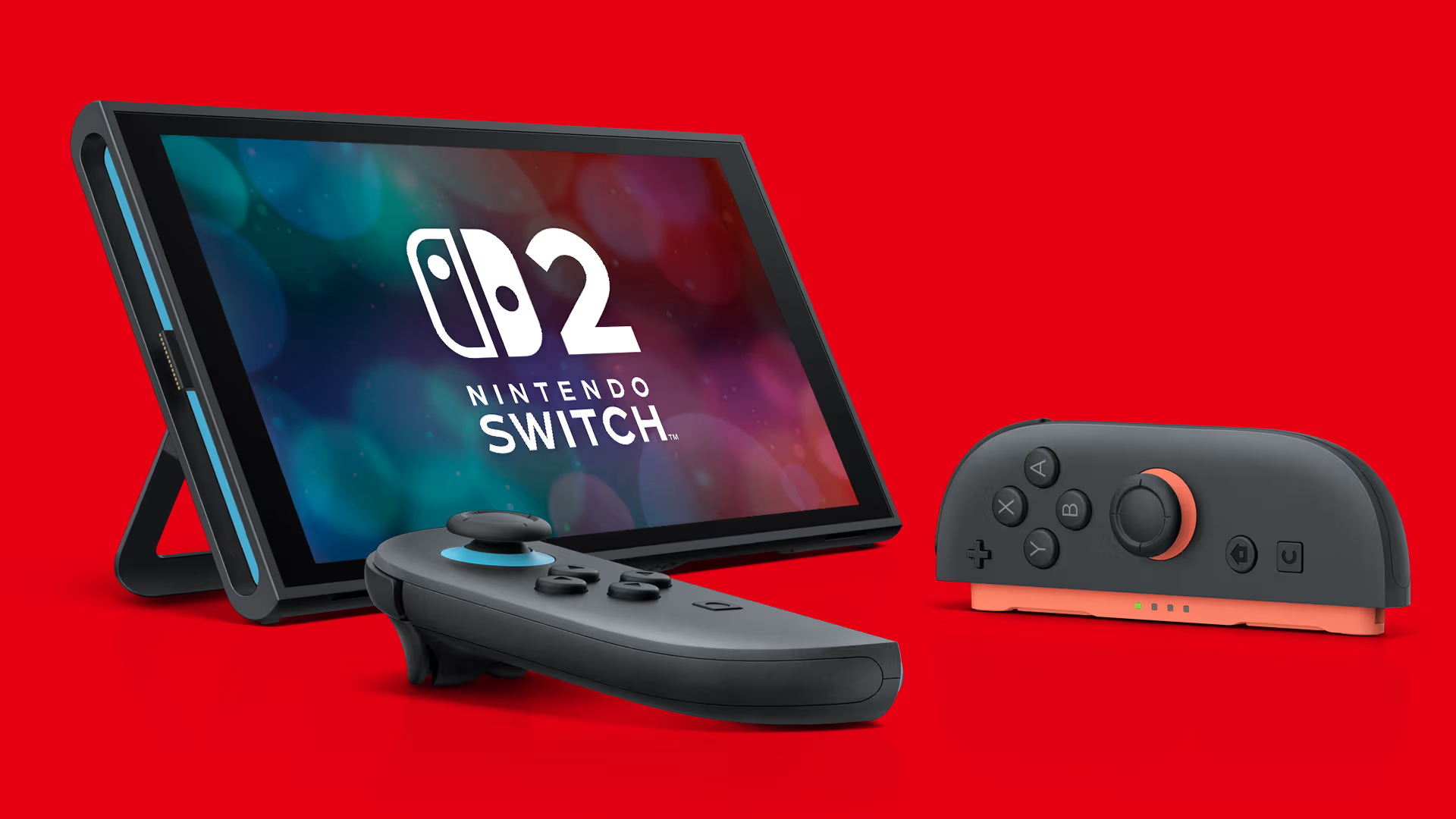
Nintendo's latest earnings report shows software sales rising on the back of Tomodachi Life: Living the Dream, while Switch 2 hardware sales fell over the same period. The two numbers moved in opposite directions, and that gap is the story for anyone weighing a console purchase right now.
The report covers Nintendo's most recent financial quarter. Eurogamer flagged the split between healthy software performance and a decline in Switch 2 hardware. The company has not framed the hardware drop as a crisis, and the software line is doing the heavy lifting in the results.
Tomodachi Life: Living the Dream is the life-sim series where players populate an island with Mii characters and watch their relationships, arguments and odd jobs play out. The series has a long history on Nintendo handhelds, and this entry is the first new mainline Tomodachi Life game in years. That long wait gave the release a built-in audience of returning fans.
Why software is carrying the quarter
A hit life-sim sells copies to people who already own the hardware. Tomodachi Life does not need a new console purchase to move units, which is why it can lift the software line even in a quarter where hardware shipments slow down.
The game also has a long tail. Life-sims get played in short daily sessions, and that habit keeps players talking about them and buying them well past launch week. Nintendo benefits twice: once at the register and again through the steady engagement that keeps the platform visible.
For players, the practical takeaway is that the Switch 2 library is filling out. A strong software quarter means more reasons to own the system, even if the sales chart for the box itself looks softer.
What the hardware decline actually means
A drop in Switch 2 hardware sales after a launch period is normal. New consoles sell fastest in their first months, when the most eager buyers line up, and then settle into a slower rhythm. The question is whether the slowdown is a dip or the start of a longer slide.
Nintendo has not released a detailed explanation in this report, so treat the decline as a number rather than a verdict. Hardware sales depend on supply, regional launch timing and how many people already bought in. One quarter of softer shipments does not tell you where the console lands next year.
If you are waiting for a price cut or a bundle, this is the kind of data point to watch. Slower hardware movement often pushes companies toward promotions, though Nintendo has historically been patient about discounting its consoles.
Bu haber kaynak dilinde yayınlanmıştır.