Frax: Rupture Puts an Idle MMORPG in Your Browser Tab
Frax: Rupture is a browser-based idle MMORPG where players work to stabilize a broken world. It skips Steam and mobile stores, letting progress tick along in a tab while you do something else.
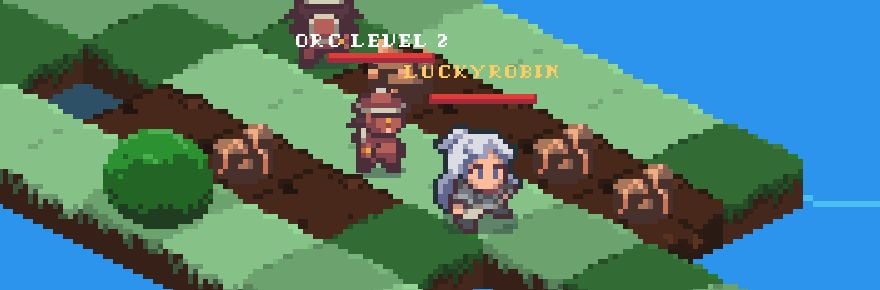
Frax: Rupture is an idle MMORPG that runs in a web browser, and its premise hands players the job of stabilizing a world that has already broken apart. That combination sets it apart from most idle games, which tend to land on Steam or on phones rather than living in a tab you already have open.
The appeal is easy to see for anyone who has spent years chasing levels in a traditional MMO. An idle game feeds the same urge to watch numbers climb, but it does the grinding on its own schedule. You check in, nudge things along, and close the tab when real life calls.
Why a browser tab changes the deal
Putting an idle MMO in a browser removes a few steps that usually stand between a player and the game. There is no client to download, no launcher to update, and no store page to visit first. If the game is reachable through a URL, trying it costs about as little as trying anything can.
That low barrier matters for the idle audience in particular. These are players who often keep a game running in the background while they work, study, or play something else. A browser window fits that habit better than a full client does, and it lets the game sit alongside whatever else is already on screen.
The tradeoff is that browser games rarely get the visibility of a Steam release. Discovery usually depends on word of mouth or coverage from outlets that track the niche, which is how Frax: Rupture surfaced here. Players who only watch storefront charts may never run into it.
What the broken-world premise asks of you
The hook in the title is the world itself. Something has ruptured, and the player's task is to put it back together. Idle games often dress up their progress bars with a story, and this one leans on repair and stabilization as the reason your numbers keep rising.
That framing gives the idle loop a direction. Instead of simply accumulating resources, you are working against a world that fell apart, which suggests goals tied to restoring pieces of it over time. How deep that system goes is the open question, and it is the part worth checking before you commit hours to a tab.
The name also signals a genre posture. Calling the game an MMORPG tells players to expect persistent characters, shared systems, and long-term progression, even if the moment-to-moment play is hands-off. Idle and MMO are an odd pairing on paper, but the combination has found an audience among players who like the idea of an MMO more than the time commitment.
Dieser Beitrag wird in seiner Originalsprache veröffentlicht.