How Indie Horror Games Rewired the Whole Genre
Indie horror has led the genre for most of the past decade, pushing ideas that big studios later copied. Here is how smaller teams changed what horror games can be.
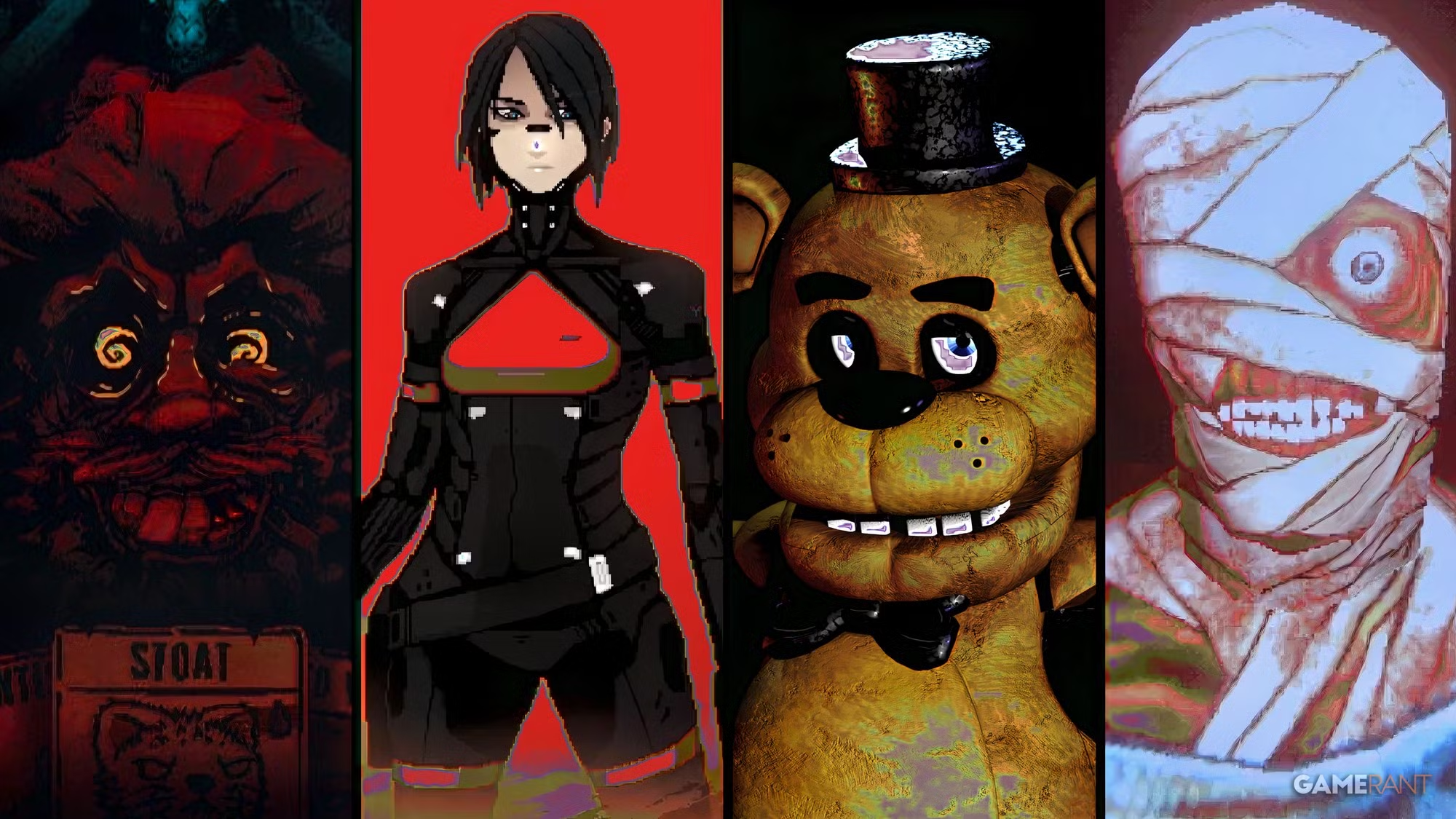
Indie horror has driven the genre for most of the past decade, and the games that did it were made by small teams with tight budgets. Those teams tried ideas that publishers had written off, and a fair number of those ideas now show up in big-budget horror releases. The pattern matters to anyone who plays horror, because it explains why the scariest games of the last ten years often came from studios of five or ten people.
Small teams, big swings
The shift did not happen in one moment. It built up as digital storefronts made it cheap to sell a game without a publisher, and as streaming made a strange little horror game easy to find overnight. A developer could ship something rough and specific instead of sanding it down for a retail shelf. Players rewarded that. Word of mouth on Twitch and YouTube did the marketing that small studios could not afford.
That changed which risks looked worth taking. Horror had leaned on combat and scripted scares for years, partly because those are easy to show in a trailer. Indie teams went the other way. They stripped out the gun, hid the monster, and made the player's own helplessness the point. Some of those games looked crude. Several of them were genuinely frightening in a way bigger productions struggled to match.
The ideas that stuck
The most copied idea is the unkillable pursuer. A monster you cannot fight forces the player to plan routes, listen for cues, and accept that a mistake means starting over. Big studios noticed, and stalker enemies turned up in mainstream horror games as a result.
Another is the first-person, low-visibility format. Indie horror made darkness and a narrow flashlight beam into the default way to build tension, and that look is now everywhere. Found-footage framing came from the same scene, using a camcorder view to make the player feel like a witness instead of a hero. Permadeath and short run times also came from small teams, who could ship a two-hour game and let the fear of losing progress do the work.
A fourth thread is the horror game that hides its real subject. Several indie hits used a monster as a stand-in for grief, illness or guilt, and players responded to that more than to any jump scare. That approach gave horror a way to be about something, and it widened who wanted to play.
What it means for players
The practical effect is a steadier supply of unusual horror. When a small game proves an idea works, publishers get interested, and the idea gets a bigger budget a year or two later. Players get both versions: the rough original and the polished take on it.
Dieser Beitrag wird in seiner Originalsprache veröffentlicht.