Phantom Blade Zero's Meigu Lake Wasn't Inspired by Wind Waker, Director Says
Phantom Blade Zero's director says Meigu Lake only looks like Wind Waker by coincidence. The real inspiration came from Chinese landscape painting and a real lake, and the studio explains how that shapes exploration.
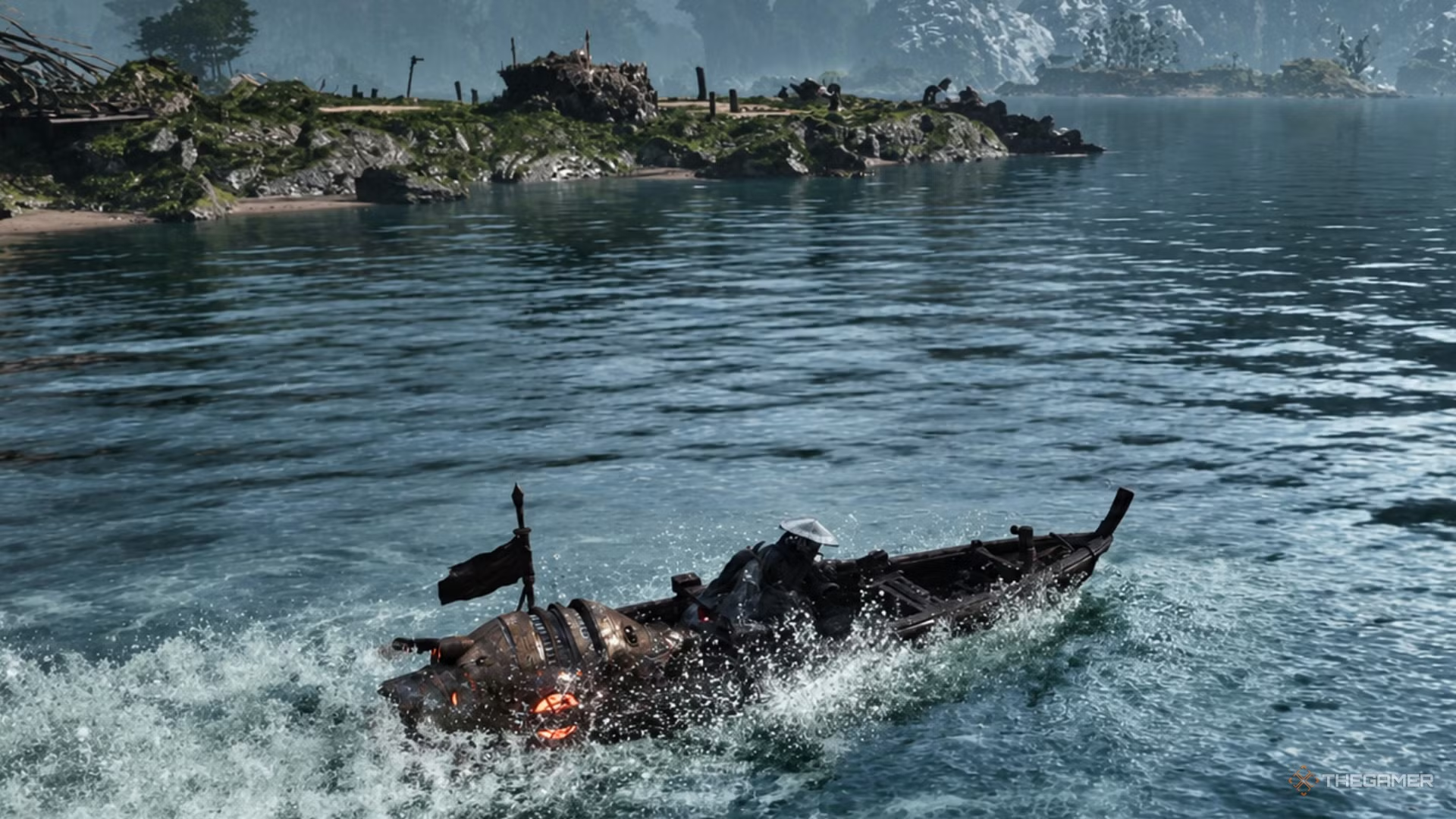
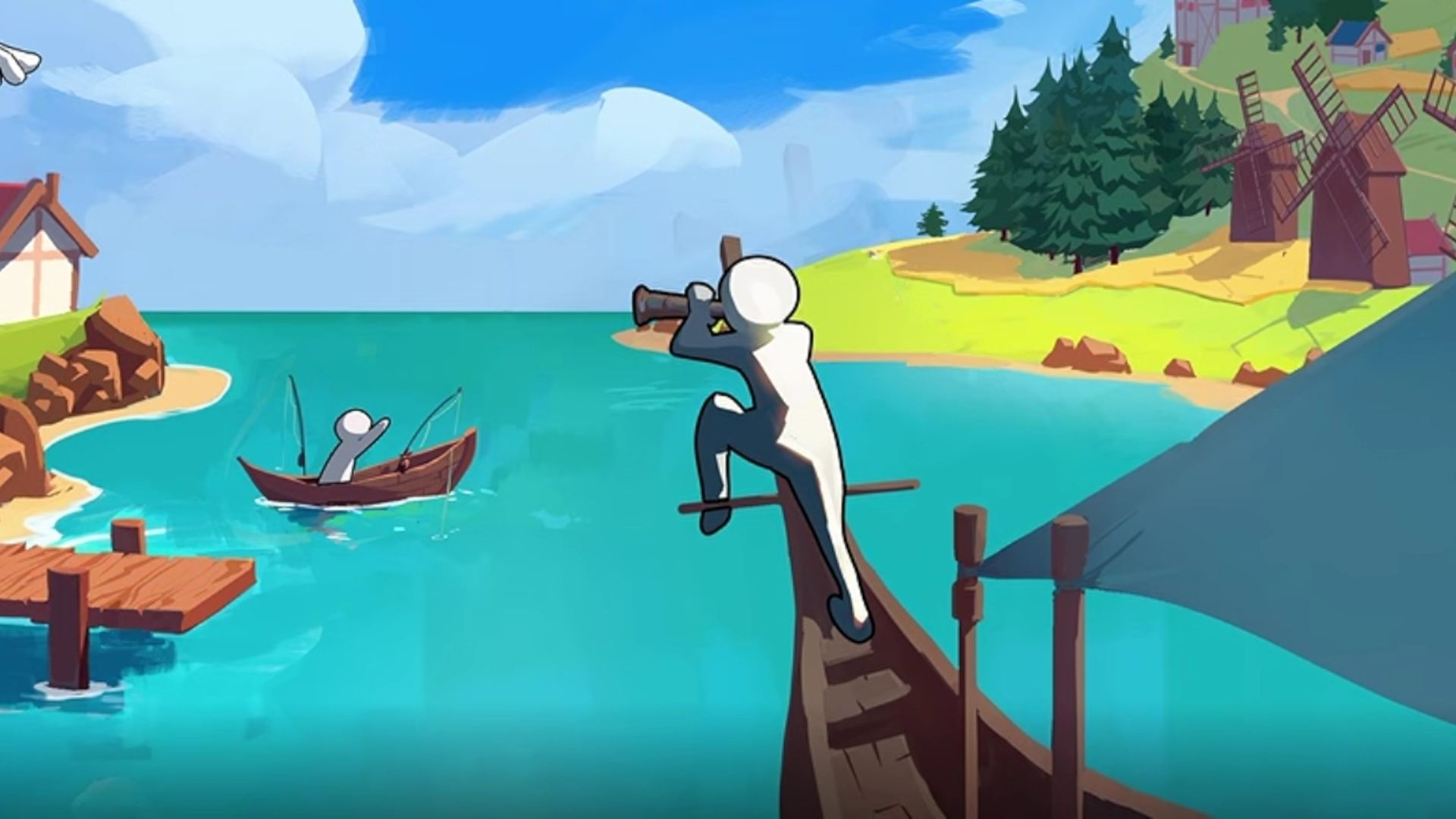
Phantom Blade Zero's Meigu Lake was not inspired by The Legend of Zelda: The Wind Waker, according to the game's director. Players who saw early footage of the water area drew the comparison fast, because the bright, stylized lake and the way the camera floats over it echo the GameCube classic. The director's answer is simpler: the team built the lake from Chinese landscape tradition and a real place, and the Wind Waker look came later, as a side effect of those choices.
That matters because Phantom Blade Zero is a Sony-published action game from S-GAME, a Chinese studio, and its art direction carries a lot of weight in how people read the project. A lake that reads as a Zelda homage suggests one kind of game. A lake built from ink-wash painting and a real Chinese lake suggests another. The director's comments push the second reading.
What the director actually said
The comparison first spread through screenshots and short clips. Meigu Lake shows open water, soft light and a stylized shoreline, and the camera drifts above it in a way that reminded people of the Great Sea. The director addressed the resemblance directly and credited the look to Chinese landscape painting and a real lake rather than to Nintendo's sailing game.
S-GAME has described Phantom Blade Zero as a fast, hand-to-hand action game with a dark wuxia setting, built around a hero named Soul. The studio has shown combat-heavy trailers and playable demos at events, and the lake area appeared in that material as one of the calmer, more open spaces. The director's comments add context to a location that otherwise stood out mostly for how pretty it looked.
Why Chinese landscape painting shapes the water
Chinese landscape painting treats water and mist as active parts of a scene. Rivers, lakes and fog do as much work as the mountains, and empty space carries meaning instead of reading as unfinished. A studio drawing on that tradition tends to build a lake that feels atmospheric and slightly unreal, with soft edges and layered distance.
That approach explains the Wind Waker comparison without confirming it. Both styles simplify water and lean on color and silhouette. Wind Waker's Great Sea used flat, bright tones and a cartoon horizon to make sailing readable. A lake built from ink-wash ideas can land in a similar visual place while starting from a different set of references.
The director's point is that the resemblance is a coincidence of style, not a borrowed design. For players, that means Meigu Lake probably isn't a sailing sandbox or a puzzle playground in the Zelda mold. It's a location meant to feel like a painted landscape you move through.
Dieser Beitrag wird in seiner Originalsprache veröffentlicht.