What Should We Do with Cheaters? An MMO Editorial Borrows a Page From Dante
An MMORPG.com editorial argues that banning cheaters just deletes them, and borrows Dante's Inferno to suggest punishments that keep offenders visible and instructive instead.
Banning cheaters is the standard answer in MMOs, but an MMORPG.com editorial argues that Dante's Inferno offers a better model: punishment that keeps the offender visible instead of quietly deleting them.
Cheating in MMOs rarely feels like a small problem. It warps player economies, drains the fun out of competitive ladders, and turns casual group content into a slog when one player decides the rules do not apply to them. The usual response from studios is a ban. The account gets closed, the name disappears, and everyone else moves on. The editorial takes issue with that reflex and asks a bigger question: what should punishment actually accomplish?
The Case Against the Simple Ban
A ban looks decisive in a patch notes post. It is cheap to enforce, easy to explain, and gives the community a clean headline. The editorial points out the obvious downside. Once a cheater is banned, they are gone from the conversation. There is no visible consequence, no public reckoning, and often no lesson learned beyond "make a new account and try again." For studios, the banned player is a lost customer. For everyone else, the whole episode is a rumor.
That is where the Dante comparison comes in. In the Inferno, punishment is not simple removal. Sinners stay in the story. Their punishment fits the crime, it is public, and it is legible to anyone who looks. The editorial uses that idea to suggest that MMOs could design consequences that keep the offender present, visible, and instructive rather than quietly deleting them from the game.
What Contrapasso Might Look Like in an MMO
The Italian term for Dante's logic is contrapasso, the idea that the punishment mirrors the sin. The editorial sketches what that could mean for online games. A player who exploits a loot bug might be forced to watch valuable drops go to other people for a stretch of time. Someone who uses cheats to win ranked matches could be flagged in matchmaking so opponents know what they are up against. A gold seller might have their ill-gotten currency visibly frozen or taxed rather than quietly deleted.
None of these ideas are new to game design. Shadow bans, cheater pools, and low-priority queues have all existed in some form for years. What the editorial adds is a moral frame. Instead of treating punishment as a customer service problem, it treats it as a design problem with a public dimension.
Why This Debate Matters Now
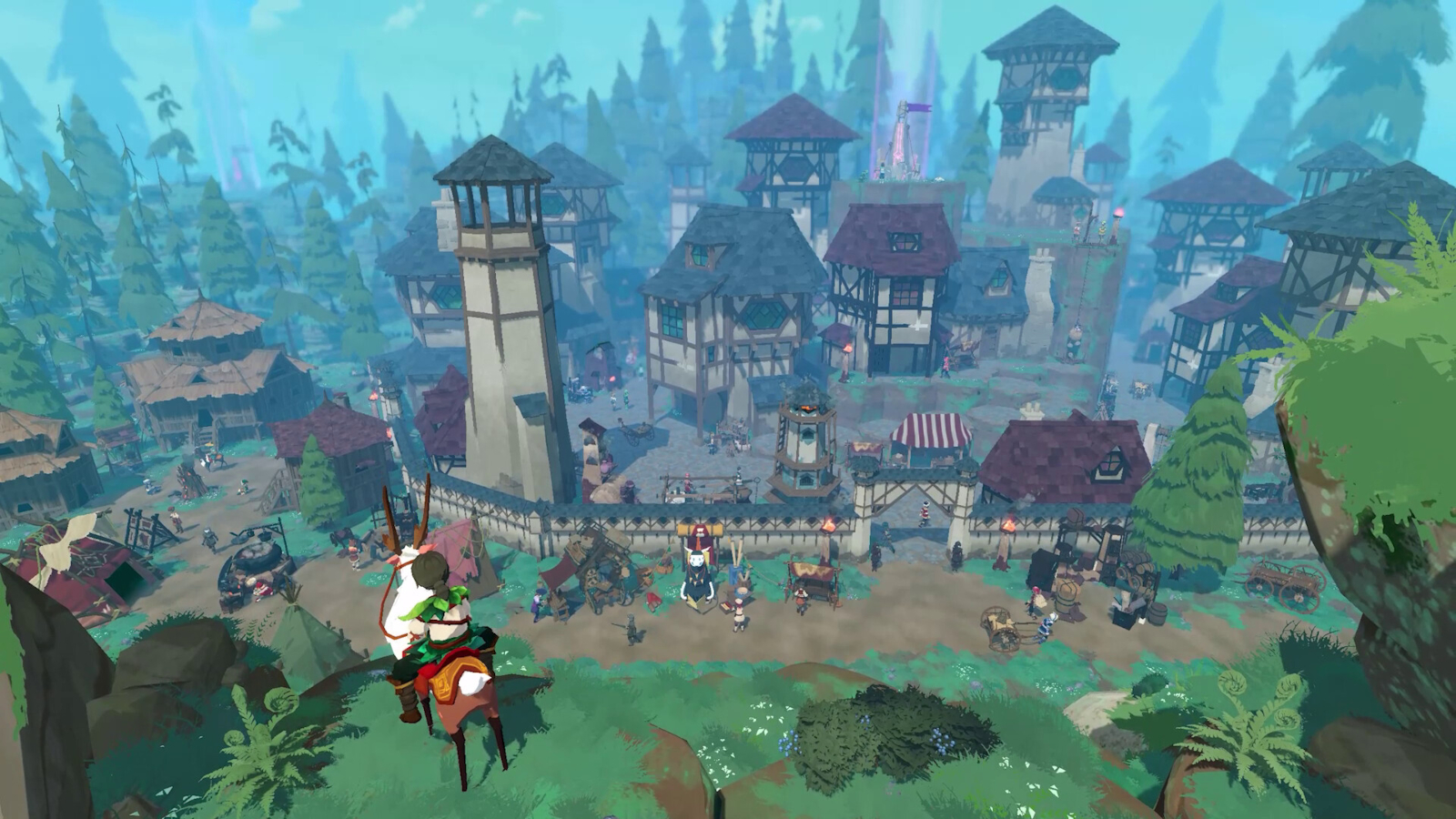
MMO studios have spent years fighting bots, gold sellers, and exploiters with waves of bans that rarely slow the problem down for long. In games with player-driven economies, like Albion Online or EVE Online, a single exploit can move prices for everyone. In competitive ladders, a flagged cheater can ruin dozens of matches before a ban lands. The editorial's argument is that a public, proportional consequence might deter more effectively than a quiet account closure, because other players can see what happened and why.
Dieser Beitrag wird in seiner Originalsprache veröffentlicht.